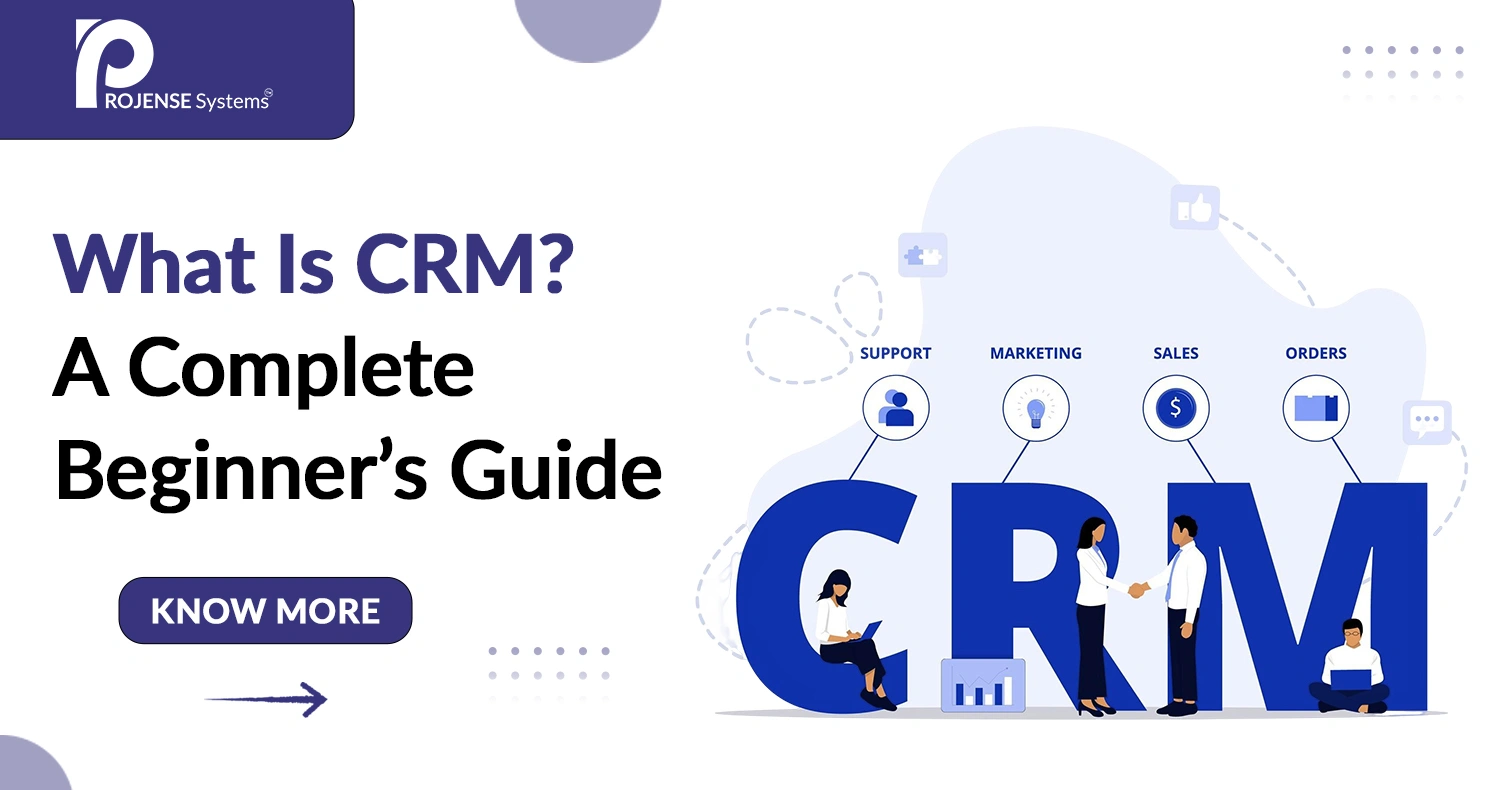
1. What Is CRM?
The full form of CRM is Customer Relationship Management, and it refers to the process, strategy, and technology used by businesses to manage interactions with customers and potential customers. A CRM helps companies organize customer data, track communication, manage sales, improve customer service, and build long-term relationships. In simple terms, CRM is about knowing your customers better and serving them better. A customer relationship management tool stores information such as customer names, contact details, purchase history, communication records, and preferences in one centralized system. This makes it easier for businesses to stay organized and responsive.
2. Understanding Customer Relation Management
Customer relation management focuses on maintaining healthy and long-lasting relationships with customers. Instead of treating customers as one-time buyers, CRM systems encourage businesses to nurture relationships over time. With proper customer relations management systems, companies can:
- Understand customer needs
- Track customer journeys
- Improve customer satisfaction
- Increase customer loyalty
CRM is not just software—it’s a mindset that puts customers at the center of every business decision.
3. What Is CRM Software?
Many beginners ask, what is CRM software and how is it different from traditional customer tracking methods? Customer relationship management software CRM is a digital platform designed to automate, organize, and optimize customer interactions. Instead of using spreadsheets, notebooks, or disconnected tools, businesses use one unified CRM system. This software for customer relationship management allows teams to:
- Track leads and sales pipelines
- Manage customer communication
- Automate follow-ups
- Analyze customer behavior
- Improve team collaboration
A CRM can be accessed through desktop systems or a customer relationship management app, making it easy to manage customers on the go.
4. Who Is CRM For?
CRM systems are designed for businesses of all sizes and industries. Whether you are a solo entrepreneur or a global organization, CRM can support your goals. CRM Is Ideal For:
- Small businesses looking to organize customer data
- Startups managing leads and growth
- Sales teams tracking prospects and deals
- Marketing teams running campaigns
- Customer support teams handling queries
- Enterprises managing thousands of customers
From freelancers to corporations, a client relationship management tool helps anyone who interacts with customers regularly.
5. Why Is a CRM System Important for Your Business?
TheCRM importance cannot be overstated in today’s digital landscape. Customers expect personalized, fast, and consistent experiences across all touchpoints. Here’s why a CRM system is essential for modern businesses:
- Centralized Customer Data – A CRM stores all customer information in one place, eliminating confusion and data loss.
- Better Customer Relationships – By understanding customer behavior and preferences, businesses can personalize interactions.
- Improved Efficiency – Automation reduces manual work, saving time and reducing errors.
- Data-Driven Decisions – CRM analytics help businesses make smarter decisions based on real data.
- Business Growth – Stronger relationships lead to repeat customers and higher revenue.
The CRM role in business is to bridge the gap between companies and customers.
6. What Does a CRM System Do?
A CRM system performs several essential functions that help businesses manage customer relationships effectively.
- Contact Management – Stores customer details, communication history, and preferences.
- Lead Management – Tracks potential customers from first contact to conversion.
- Sales Management – Manages deals, pipelines, and revenue forecasts.
- Marketing Automation – Supports email campaigns, segmentation, and targeting.
- Customer Support – Tracks issues, support tickets, and resolutions.
- Reporting and Analytics – Provides insights into performance and customer behavior.
In short, CRM systems act as the backbone of customer-centric operations.
7. What Are the Benefits of CRM?
Using customer relations management systems offers many advantages that directly impact business success.
- Improved Customer Satisfaction: CRM tools ensure timely responses and personalized communication.
- Increased Sales: Sales teams can track leads, manage pipelines, and close deals faster.
- Better Team Collaboration: Everyone accesses the same customer data, improving coordination.
- Enhanced Customer Retention: Long-term relationship management increases loyalty.
These benefits highlight the strong CRM importance across industries.
8. CRM Roles and Responsibilities
Understanding CRM roles and responsibilities helps businesses maximize CRM effectiveness.
Common CRM Roles Include:
- CRM Administrator: – Manages system configuration and data
- Sales Representatives: – Use CRM to manage leads and deals
- Marketing Teams: – Run campaigns and analyze engagement
- Customer Support Agents: – Resolve customer issues
- Managers: – Monitor performance and strategy
Each role contributes to successful customer relationship management.
9. CRM Systems vs Traditional Customer Management
Traditional customer management relies on manual methods like spreadsheets or paper records. These methods are error-prone and inefficient.
Modern CRM systems offer.
- Automation
- Real-time data access
- Cloud storage
- Integration with other tools
10. Customer Relationship Management App: Managing Customers Anywhere
A customer relationship management app allows businesses to manage customers from smartphones or tablets.
Benefits include:
- Real-time updates
- Remote access
- Faster communication
- Improved productivity
Mobile CRM apps are especially useful for sales and service teams working in the field.
11. How Much Does a CRM Cost?
One of the most common beginner questions is: how much does a CRM cost? CRM pricing varies based on features, users, and business size.
Common Pricing Models:
- Free CRM: Basic features for small teams
- Subscription-Based: Monthly or yearly pricing
- Per-User Pricing: Cost depends on number of users
- Enterprise Plans: Advanced features and customization
Costs can range from free to several hundred dollars per user per month. The right CRM depends on your business needs and budget.
12. Choosing the Right CRM for Your Business
When selecting a CRM, consider:
- Business size
- Industry needs
- Budget
- Ease of use
- Integration options
- Scalability
The best customer relationship management software CRM is one that aligns with your business goals.
13. Ready to Build Stronger Customer Relationships with Projense Systems?
Now that you understand what CRM is and why it matters, it’s time to put that knowledge into action. Projense System helps you manage customers, track leads, streamline sales, and deliver better customer experiences—all from one powerful, easy-to-use platform. Whether you’re a small business, a growing startup, or an established enterprise, Projense System gives you the tools you need to turn customer data into meaningful relationships and real business growth.
Start using Projense System CRM today and experience smarter, more effective customer relationship management.
14. Final Thoughts: Why CRM Matters More Than Ever
CRM is no longer optional—it’s essential. From improving customer satisfaction to driving sales growth, customer relation management plays a critical role in modern business success. By understanding what is CRM software, its benefits, and its applications, businesses can make smarter decisions and build stronger relationships. Whether you use a customer relationship management app, a full-scale enterprise solution, or a simple customer relationship management tool, investing in CRM means investing in your customers—and your future.