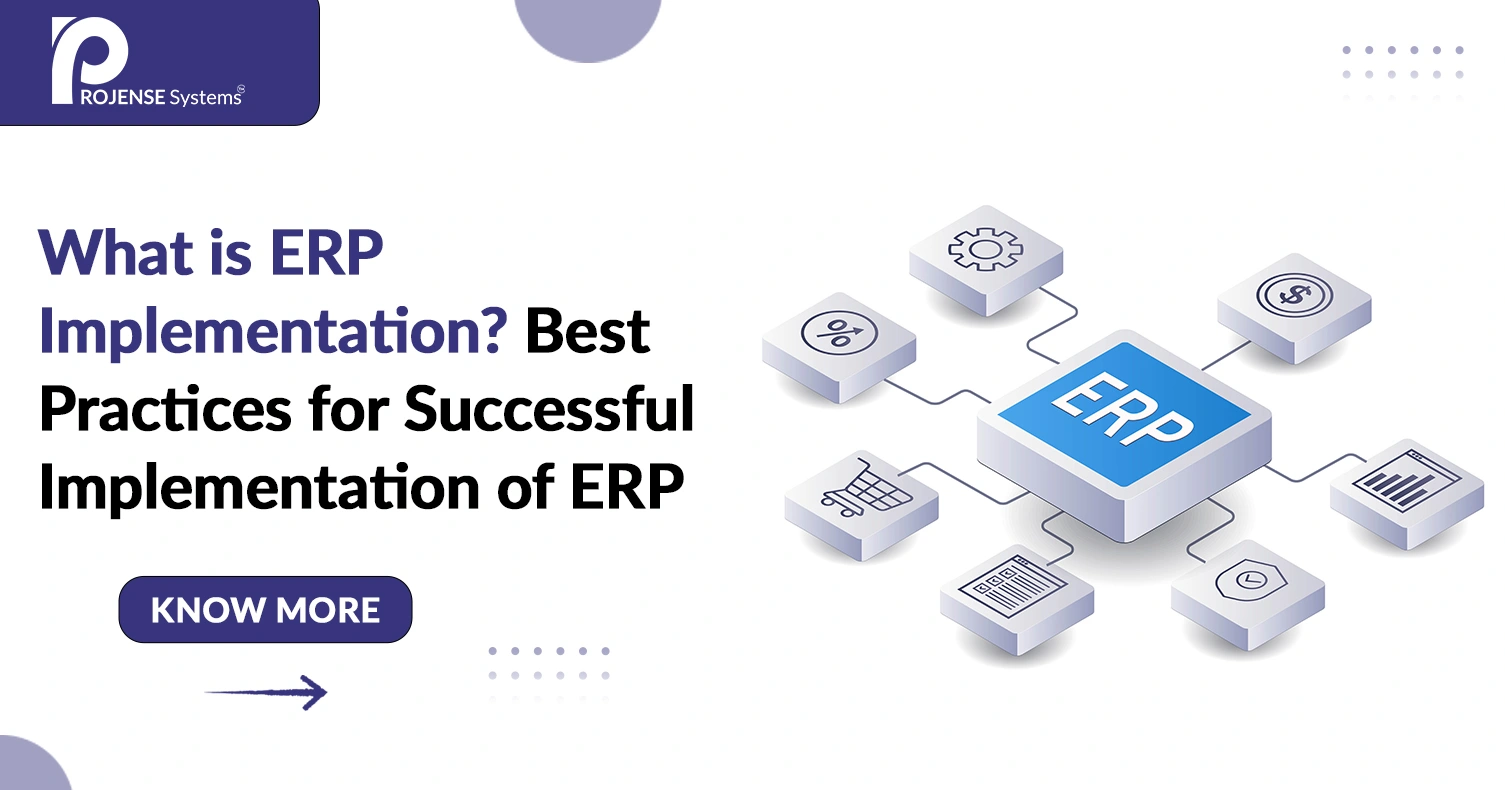
1. What is ERP Implementation?
ERP Implementation refers to the process of deploying an Enterprise Resource Planning (ERP) system into an organization’s workflows. ERP is an integrated software solution that manages core business functions such as finance, human resources, supply chain, inventory, procurement, customer relationship management, and more. The implementation of enterprise resource planning involves configuring the ERP software to align with the company’s specific needs, migrating data from legacy systems, training employees, and ensuring that the new implemented system is fully functional and optimized for daily operations. In simpler terms, ERP system implementation is the journey of moving from existing manual or outdated systems to a centralized, automated, and data-driven ERP system project.
- Appointment booking
- Appointment scheduling
- Schedule management
- Automated reminders
- Staff allocation
- Real-time updates
In simple words, it bridges the gap between patients and hospitals, making scheduling smooth and error-free.
2. Why is ERP Implementation Important?
The implementation of ERP plays a critical role in modern businesses for several reasons:
- Centralized Data Management – ERP integrates all departments, ensuring real-time access to accurate information.
- Improved Efficiency – Automated workflows reduce manual tasks and errors.
- Enhanced Decision-Making – Real-time data analytics helps management make informed choices.
- Scalability – ERP systems can adapt as businesses grow.
- Compliance and Security – ERP provides secure data management and helps businesses meet industry regulations.
These benefits explain why companies invest heavily in ERP projects and why choosing the right ERP implementer is crucial for success.
3. Key Stages of ERP Implementation
The process of ERP implementation is complex and often spans several months. Below are the main stages:
- Planning – This phase includes setting goals, allocating budgets, and forming an ERP implementation team. At this stage, businesses must define what they want to achieve with the implemented system.
- System Selection – Organizations must select the right ERP solution that fits their industry and business size. For example, an ERP example for a manufacturing firm might be SAP, while a small business might prefer Odoo.
- Designing the Solution – This step involves configuring modules, workflows, and reports based on business requirements. The ERP implementer works closely with stakeholders to customize the system.
- Data Migration – Critical business data must be moved from old systems into the ERP. This includes customer records, financial data, and inventory details.
- Training and Testing – Employees need proper training to adapt to the new implemented system. Parallel testing ensures that the ERP system project works as expected.
- Deployment (Go-Live) – The ERP is officially launched for everyday business use. This stage requires constant monitoring and troubleshooting.
- Post-Implementation Support – Continuous support and system updates are essential for long-term success.
4. ERP Implementation Methods
Different organizations follow different ERP implementation methods, depending on their resources and complexity. Common approaches include:
- Big Bang Method – The entire system is implemented across all departments at once. While risky, it is faster.
- Phased Rollout – The ERP is implemented in stages (e.g., finance first, then HR, then supply chain). This reduces risks but takes longer.
- Parallel Adoption – The new ERP system runs alongside the old system until the transition is complete. It ensures safety but requires more resources.
- Hybrid Approach – A combination of phased rollout and big bang, depending on business needs.
The right method depends on the organization’s size, risk tolerance, and budget.
5. ERP Implementation Strategies
For a smoothimplementation of ERP, organizations must adopt well-defined strategies. Here are some provenERP implementation strategies:
- Strong Leadership Support – Executives must actively support the project.
- Dedicated ERP Implementer – A skilled ERP implementer or consultant ensures technical expertise.
- Clear Communication – All stakeholders must be aligned.
- Employee Involvement – Engaging end-users reduces resistance.
- Change Management – Employees need to understand the benefits of ERP to embrace the new implemented system
- Regular Testing – Early testing helps prevent failures at go-live.
6. Benefits of ERP Implementation
Thebenefits of ERP implementation are numerous and transformative for businesses:
- Operational Efficiency – Streamlined processes reduce delays and duplication.
- Improved Collaboration – All departments work on a unified platform.
- Cost Savings – Reduced manual work and errors lead to lower operational costs.
- Scalability – Easy to add new modules or users as the business expands.
- Customer Satisfaction – Better order tracking and faster responses improve customer experience.
- Data-Driven Decisions – Real-time dashboards empower managers with accurate insights.
These benefits justify why businesses continue to invest in ERP projects and emphasize the importance of effective and emphasize the importance of effective ERP implementation strategies.
7. Challenges in ERP Implementation
While the implementation of ERP offers huge advantages, it also comes with challenges:
- High Costs: ERP systems and customization can be expensive.
- Resistance to Change: Employees may prefer legacy systems.
- Complexity: Configuring an ERP system project requires significant expertise.
- Data Migration Issues: Transferring old data to the new implemented system can be error-prone.
- Time-Consuming: Large ERP projects may take over a year to complete.
Recognizing these challenges early helps in adopting better ERP implementation methods and risk mitigation strategies.
8. Role of an ERP Implementer
An ERP implementer is a specialist or consultant who manages the implementation of enterprise resource planning solutions. Their responsibilities include:
- Customizing the ERP system
- Training employees
- Managing data migration
- Coordinating between vendors and the organization
- Troubleshooting issues
Choosing the right ERP implementer can make or break your ERP project. For instance, companies often hire certified partners of ERP vendors to ensure professional delivery.
9. Best Practices for Successful ERP Implementation
Based on years of case studies and real-world experience, the following best practices ensure successful ERP system implementation:
- Define Clear Objectives – Align ERP goals with business strategy.
- Select the Right ERP Solution – Choose software that fits your industry.
- Ensure Top Management Involvement – Leadership drives adoption.
- Create a Strong Implementation Team – Include IT staff, managers, and end-users.
- Focus on Change Management – Address employee concerns proactively.
- Provide Adequate Training – Ensure users are comfortable with the system.
- Test Rigorously – Conduct multiple testing cycles before go-live.
- Monitor and Optimize – Post-deployment monitoring ensures continuous improvements.
By following these practices, businesses can maximize the benefits of ERP implementation and avoid common pitfalls.
10. Future of ERP Implementation
The future of ERP implementation is shifting toward cloud-based solutions, AI-driven analytics, and mobile accessibility. Companies are now moving from traditional on-premises systems to flexible cloud ERPs, which are easier to scale and manage. In addition, automation and AI are making ERP system projects more intelligent, offering predictive analytics and enhanced customer experiences. Businesses adopting these innovations will stay ahead of the competition.
11. Ready to Transform Your Manufacturing Operations with ERP?
At Projense Systems, we specialize in delivering robust, scalable, and industry-specific ERP solutions for manufacturing businesses. Whether you're upgrading from outdated systems or starting fresh, our expert team ensures a smooth and successful ERP implementation—from planning to post-go-live support.
12. Why Choose Projense?
- Proven expertise in manufacturing ERP
- Seamless data migration & customization
- On-time, in-budget implementations
- Ongoing support and system optimization
13. Conclusion
ERP Implementation is not just about installing software; it is about transforming how businesses operate. The implementation of ERP enables organizations to centralize data, automate processes, and achieve long-term growth. By selecting the right ERP implementation methods, adopting effective ERP implementation strategies, and working with an experienced ERP implementer, businesses can overcome challenges and unlock the full benefits of ERP implementation. Whether you are planning your first ERP system project or upgrading an already implemented system, focusing on best practices will ensure success. ERP is no longer a luxury—it is a necessity for businesses aiming for efficiency, scalability, and competitiveness.